
End-to-End Production & Sourcing Services
Ecovera functions as an accountable on-the-ground sourcing desk in Bangladesh, representing the international buyer at every critical milestone from raw yarn procurement through sea/air dispatch.
The 7-Stage Buyer Sourcing Journey
An interactive, predictable execution roadmap from initial tech pack submission to final port of loading dispatch.
Inquiry & Technical Brief
Translating buyer aesthetic concepts into industrial manufacturing specifications
- •Tech pack or sample reference photographs
- •Bill of Materials (BOM) & target fabric composition
- •Quantity brackets per colorway / size ratio
- •Target FOB port price expectation
- ✓Merchandiser reviews measurement grading chart tolerances
- ✓Yarn count and GSM suitability cross-verified with knitting/weaving mills
- ✓Evaluation of print technique feasibility (Discharge vs. Water-based vs. Screen)
- ●Fabric shrinkage tolerance allowance verified
- ●Colorway fastness requirements documented
- ●Special trims & packaging availability screened in Dhaka hubs
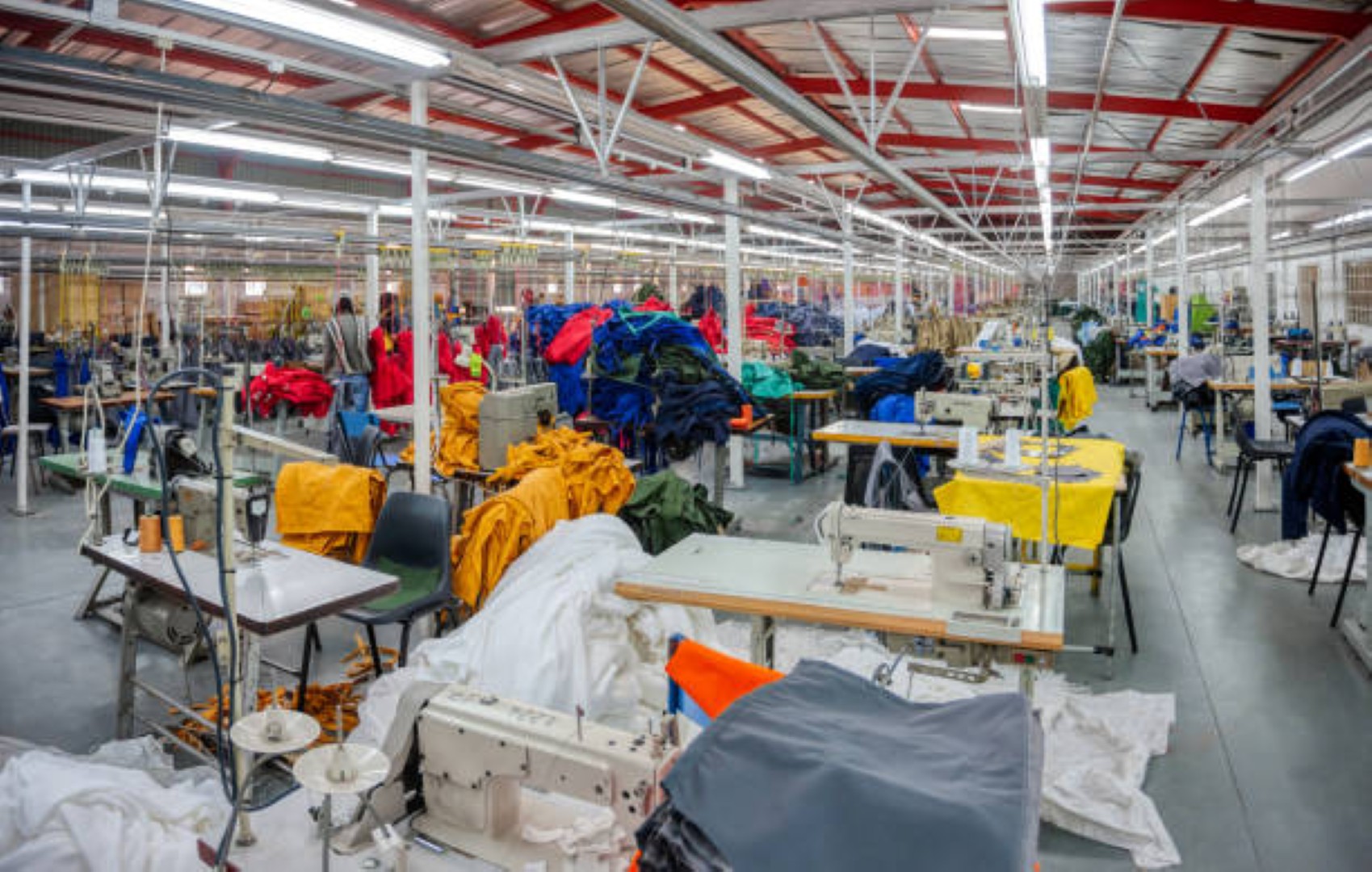
Product Sourcing
Finding the right fabric, trims, and manufacturing base in Bangladesh
We analyze buyer requirements across fiber type, yarn gauge, fabric weight, and target cost. We connect your brand to vetted knit, woven, sweater, and bag mills capable of meeting your exact standards.
- Extensive yarn & fabric mill network in Bangladesh
- Sustainable & recycled fiber sourcing options
- Trims, buttons, labels, and packaging development
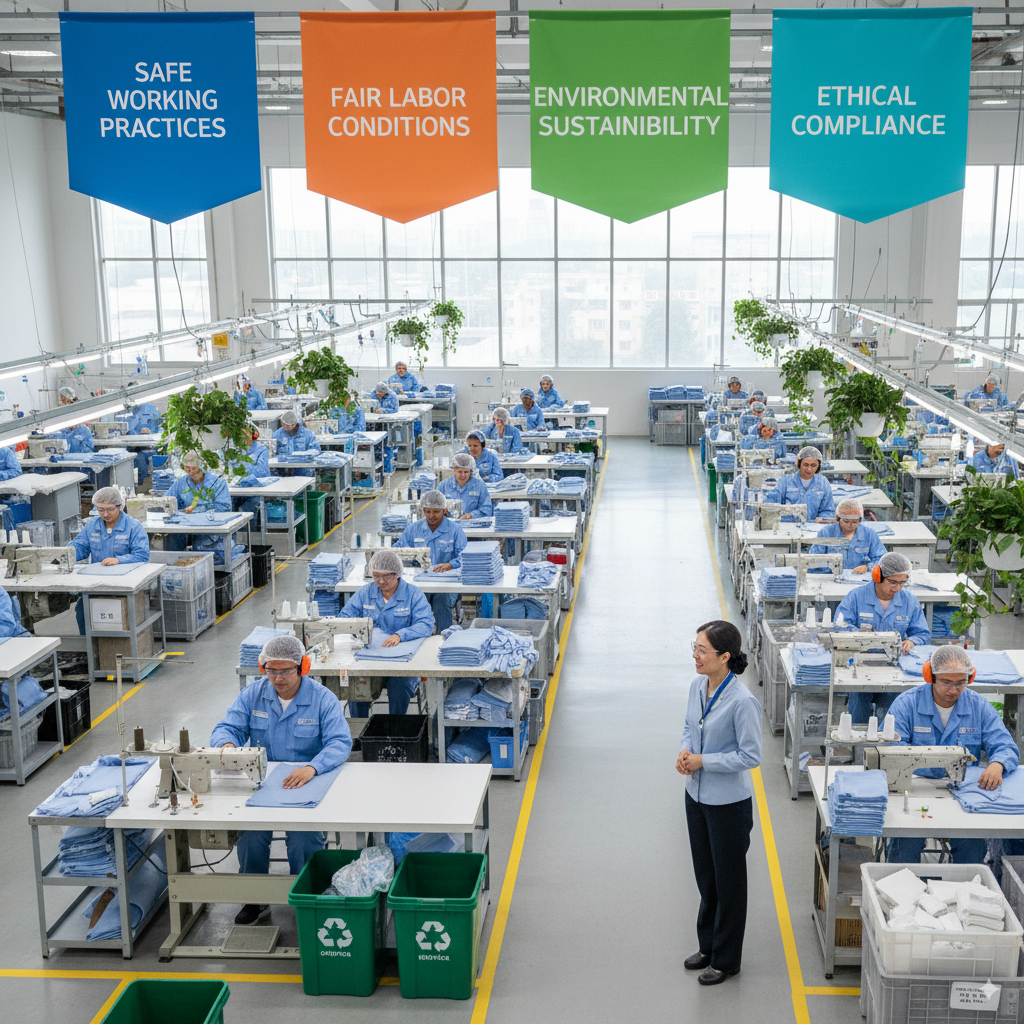
Factory Matching
Pairing orders with verified, compliant production facilities
Not every factory suits every order. We match your production program based on machine gauge capabilities, minimum order requirements, worker safety conditions, and audit compliance records.
- Vetted for workplace safety and compliance standards
- Capacity evaluation to guarantee delivery windows
- Specialized facilities for knit, woven, sweater, or canvas

Product Development
Translating buyer concepts into production-ready specifications
Our merchandising team reviews tech packs, suggests cost-effective pattern adjustments, and formulates wash recipes to achieve desired drape, handfeel, and color fastness before bulk cutting.
- Tech pack review and measurement grading audits
- Fabric shrinkage and torque pre-testing
- Pantone TCX / TPX lab dip formulation

Sampling & Approvals
Counter-samples, fit samples, and pre-production approval
Before any bulk roll is cut, we coordinate proto samples, fit samples, print strike-offs, and pre-production (PP) samples with detailed measurement logs for your review and sign-off.
- Fast proto sample development (typically 7-14 days)
- Print strike-offs, embroidery swatches, and wash blankets
- PP sample verification prior to bulk production line loading
Price Negotiation
Transparent costing frameworks protecting buyer margins
We work directly with factories on open-cost breakdowns—yarn prices, knitting/weaving costs, CM (cut and make), wash, and accessories—ensuring clear commercial pricing without arbitrary markups.
- Transparent cost breakdowns (Fabric + CM + Trims + Pack)
- Value engineering to achieve buyer target price points
- Volume scaling brackets and delivery calendar alignment
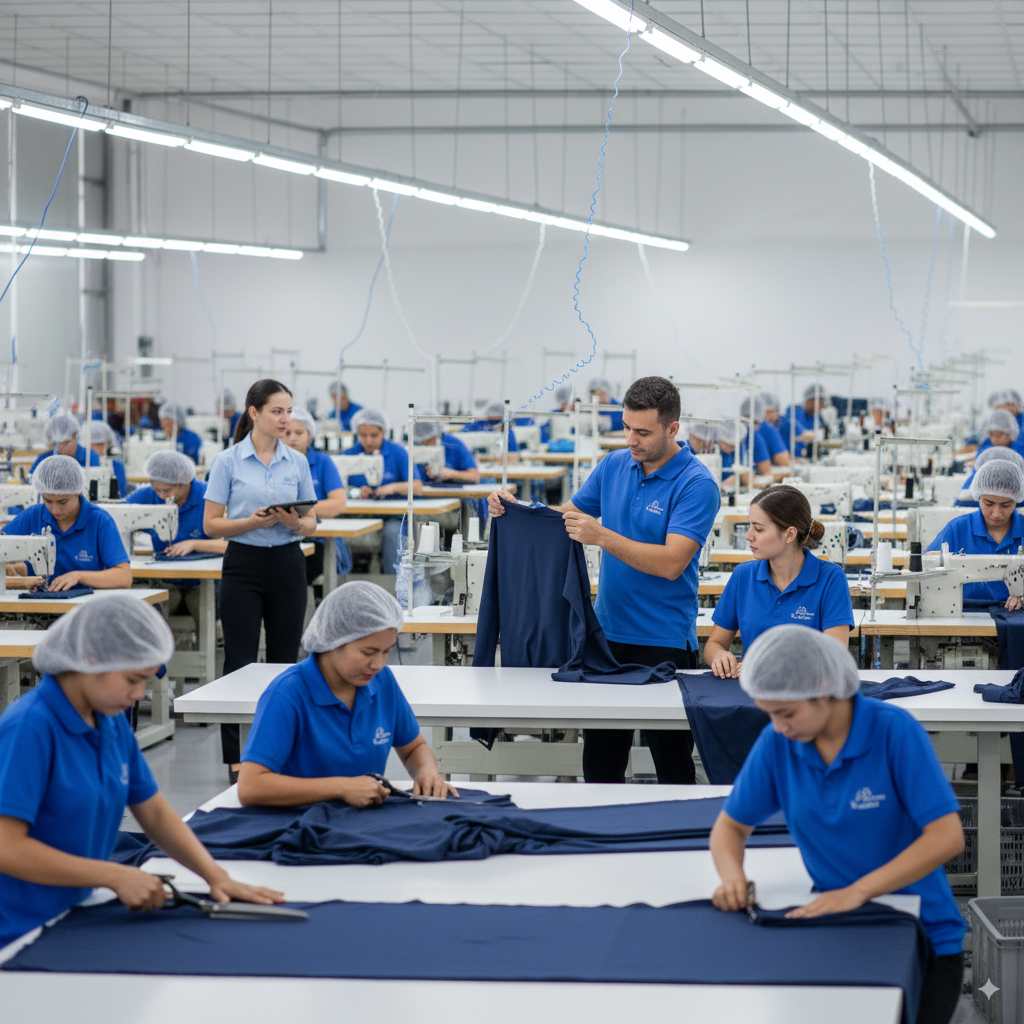
Production Follow-up
Daily floor monitoring from knitting to final packaging
Our on-the-ground merchandisers track raw material arrival dates, cutting schedules, sewing line efficiency, washing progress, and ironing bottlenecks to ensure milestones are respected.
- Daily/weekly status reporting with production photo updates
- Time-and-Action (T&A) calendar management
- Early warning communication if delays threaten shipment
Quality Control (AQL 2.5 / 4.0)
Rigorous inspection discipline protecting your brand reputation
We implement international standard inspection discipline: raw fabric 4-point system checking, inline sewing checks, metal detection for garment safety, and Final Random Inspection (FRI).
- Fabric 4-point inspection system before cutting
- Inline process audits to catch construction defects early
- FRI (Final Random Inspection) per ISO / AQL 2.5 standard
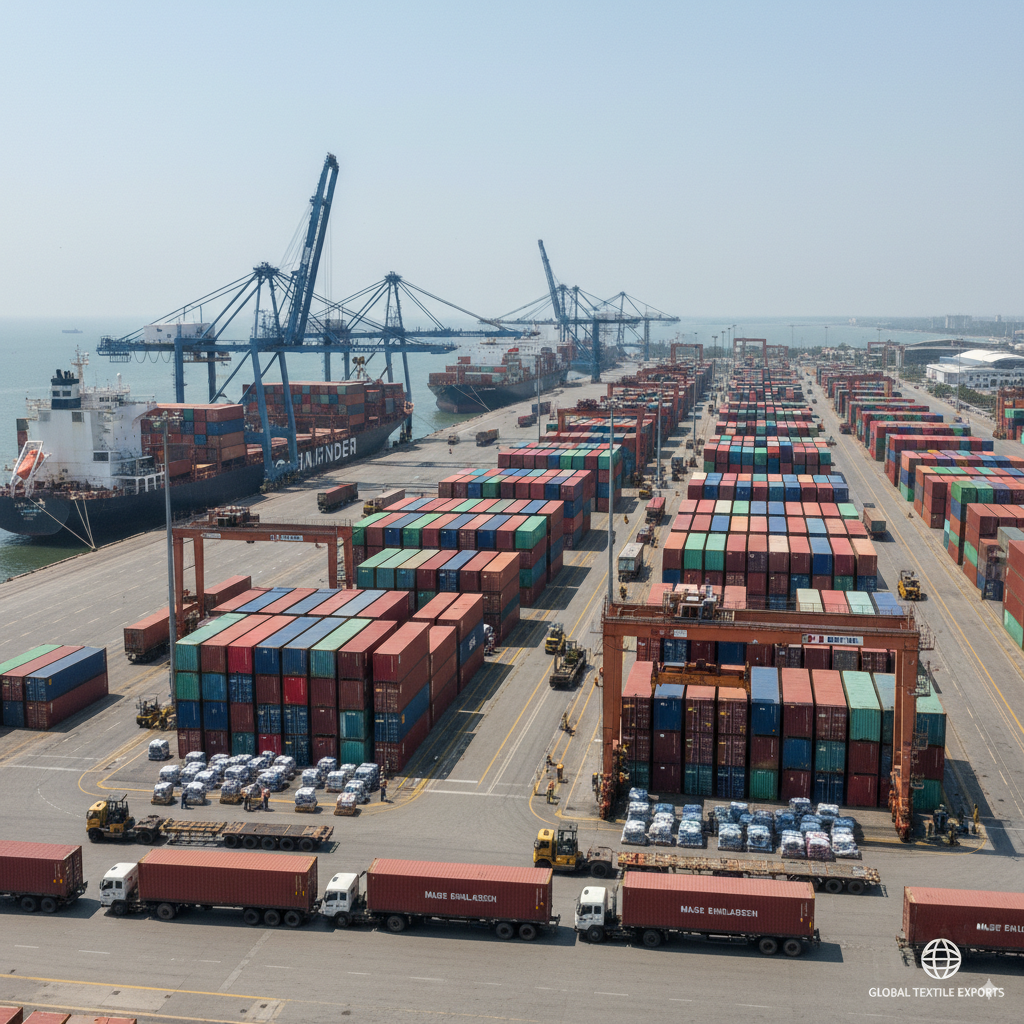
Export Coordination
Master cartons, customs documentation, and logistics dispatch
We ensure goods are packed strictly to carton measurement limits and barcode standards, supervising container stuffing, customs clearing paper verification, and freight forwarder coordination.
- Carton drop test & moisture barrier verification
- Accurate commercial invoices, packing lists & certificates of origin
- Coordination with buyer's designated freight forwarder (FOB / CIF)
Statistical Sampling & Defect Classification
Our quality engineers apply strict ISO 2859-1 standards at factory floors. Test your order parameters in our live AQL simulator below.
Interactive AQL 2.5 / 4.0 Quality Assurance Calculator
Select your target order batch size to see the exact statistical sampling parameters applied during Ecovera's Final Random Inspection (FRI).
Defects that would cause a retail customer to return the garment or refuse purchase, or that impact structural fit and seam durability.
- Measurements out of approved tolerance (> 1.0 cm variance on key points)
- Open seams, skipped stitches, or seam slippage under light tension
- Visible color shading between front body and sleeve panel under D65 light
- Fabric holes, dye streaks, or cracked screen print / peeling transfer
Discuss your order volume, lead times, and mill expectations.
Launching a private-label collection or need a transparent follow-up partner on the ground? We provide disciplined order oversight.
- Mill matching
- Sampling plan
- AQL 2.5 inspection